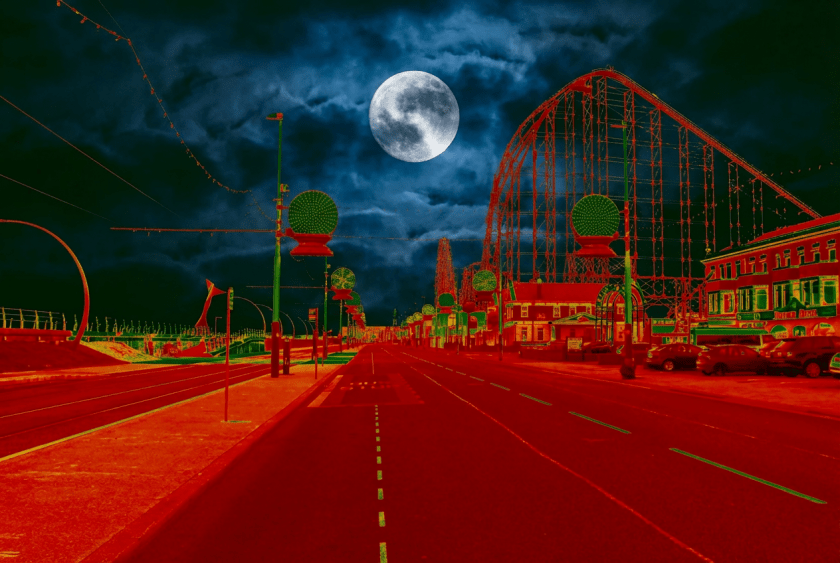
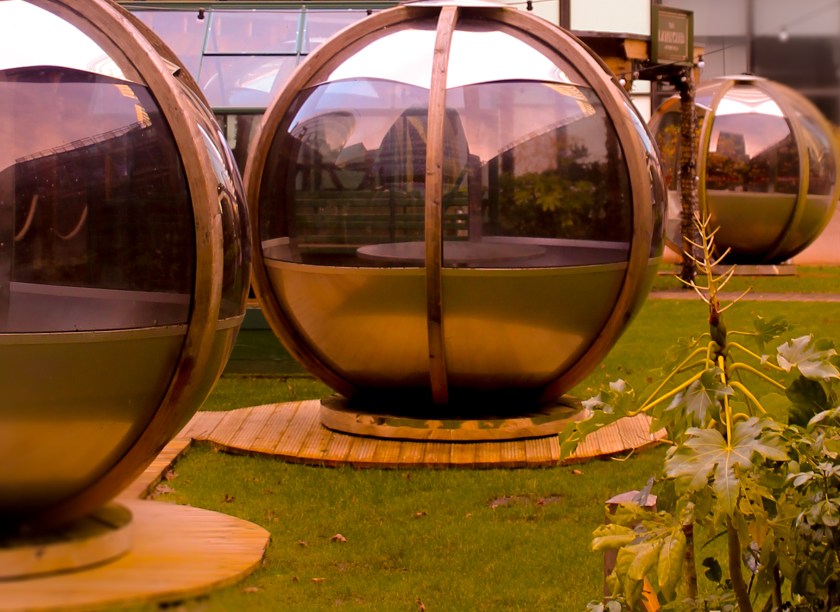
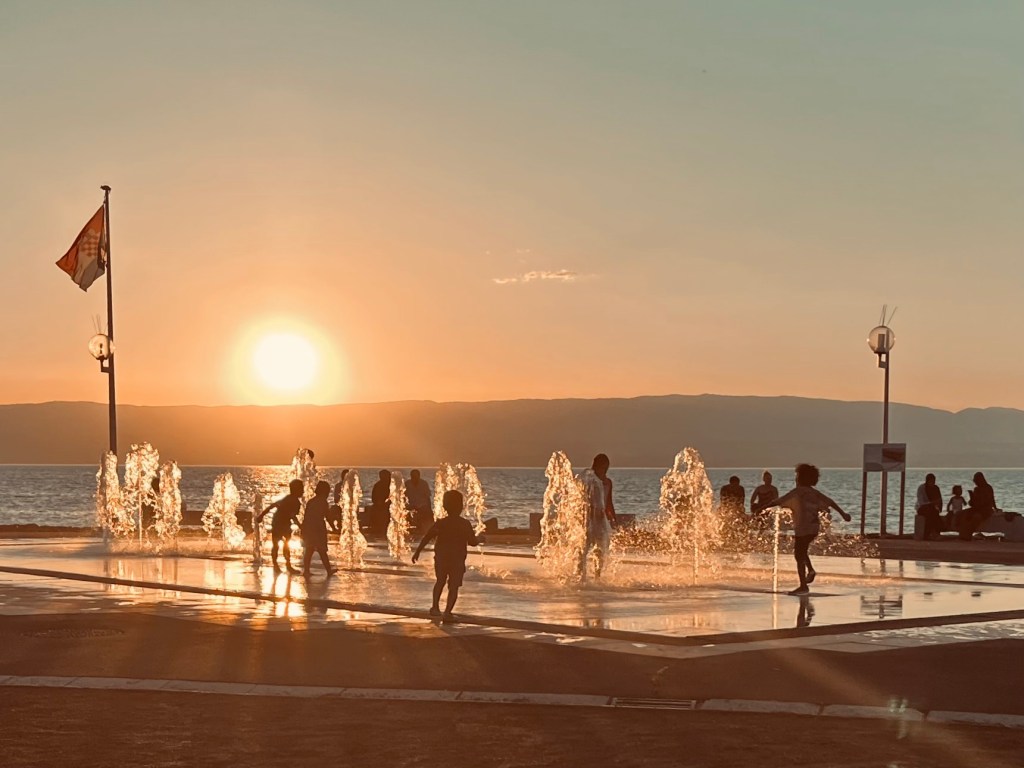
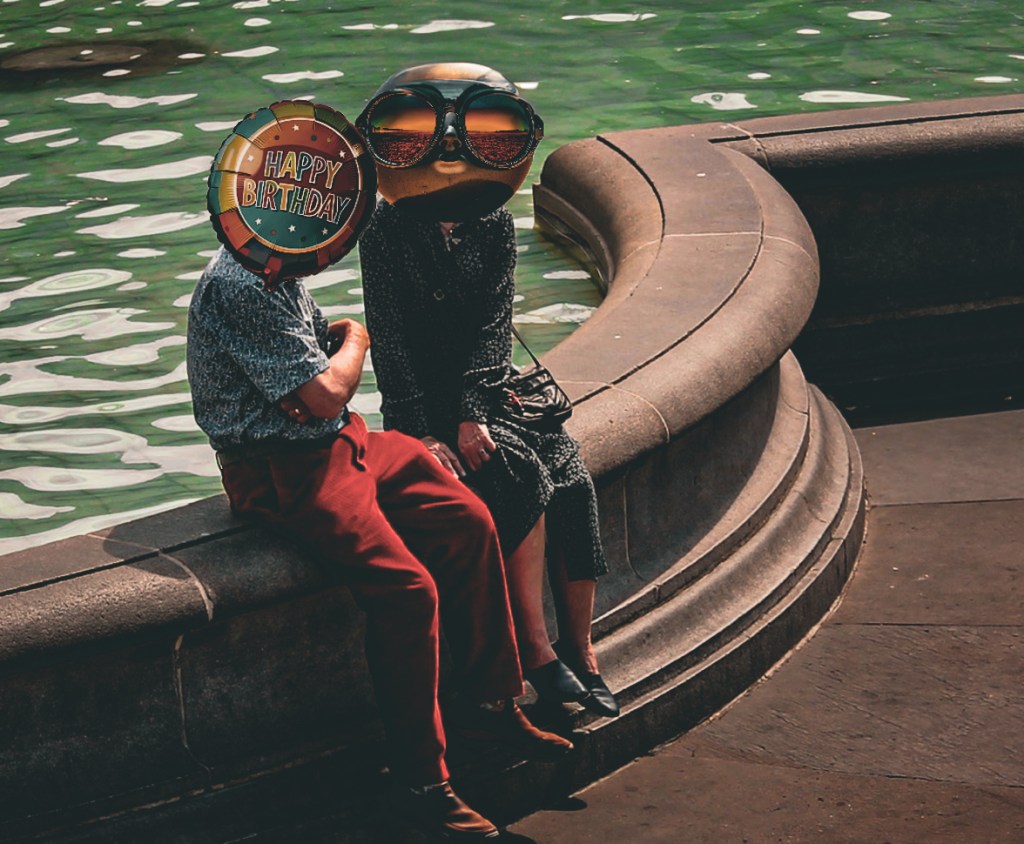
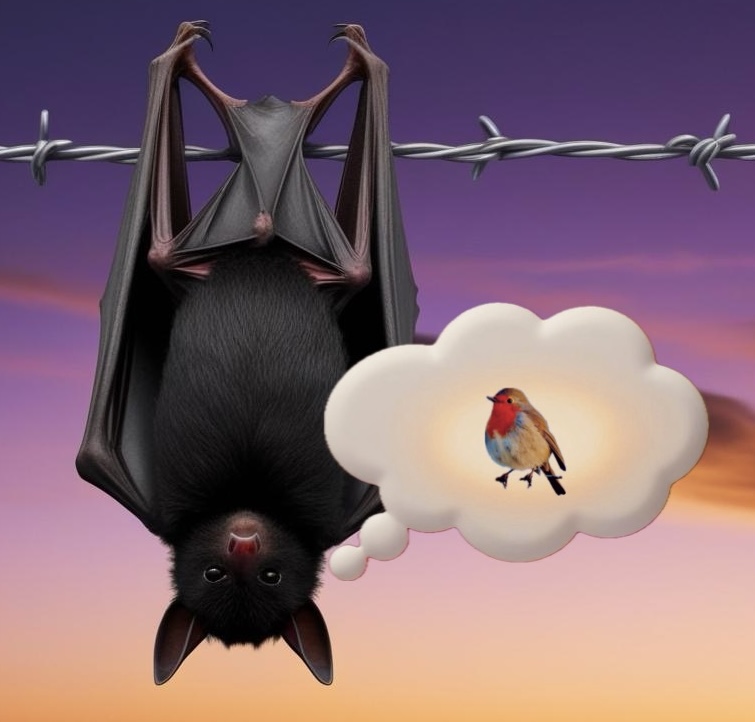
Because the arrival of AI, has made creating abstract photography very easy, people may begin to lose interest in viewing these images because they feel a reduction in human involvement reduces their value.
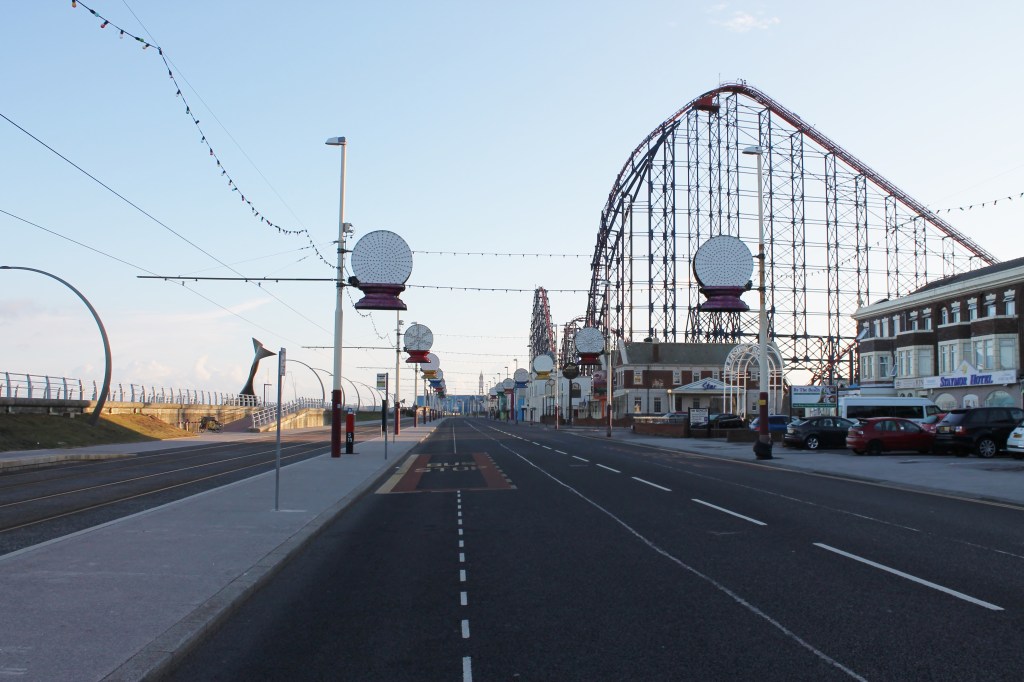
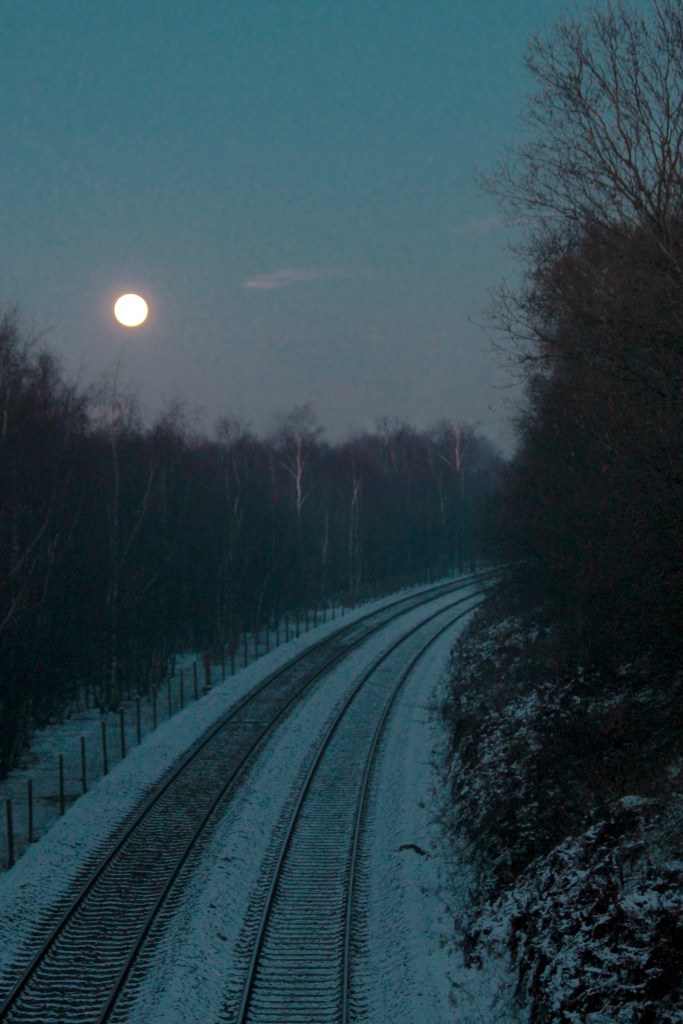
I will not deny that I used AI to alter the sky and add the moon in this image. Otherwise, what you see is a photo I took very early in the morning when few vehicles or people were around. It was taken near to Squires Gate in Blackpool, and looks north, towards the Pleasure Beach, theme park.
The editing was completed by using Adobe Lightroom, and was inspired by my tendency for the extreme and childhood memories of what I believed to be a magical place.
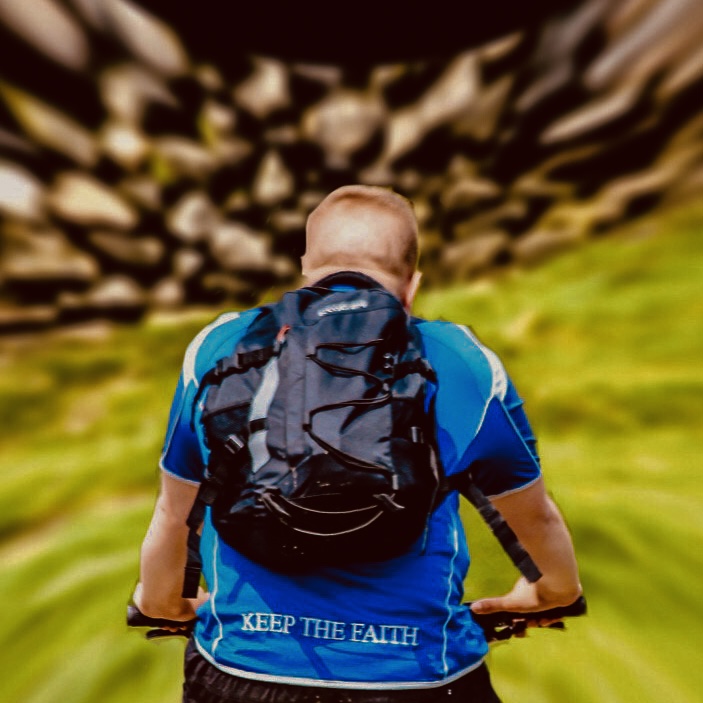
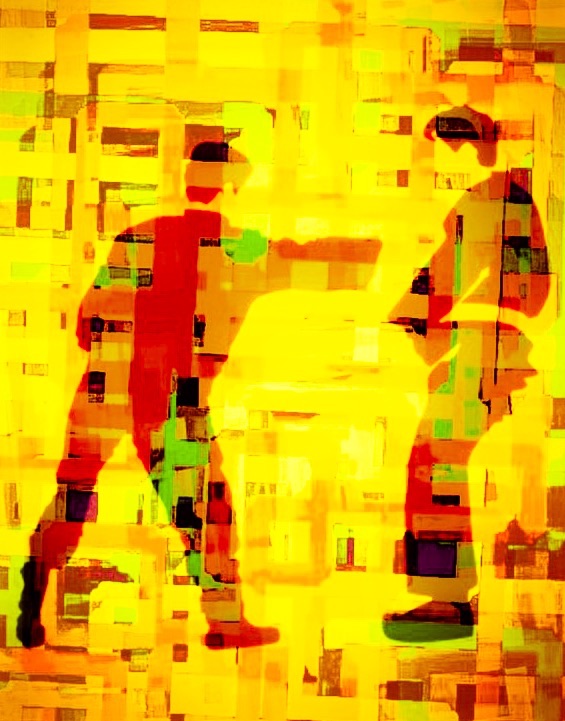
After playing around with edits, I felt happy that I had created a sense that the cyclist was heading towards a brick wall at speed. Maybe that isn’t what you’re seeing however, so please feel free to add a comment.
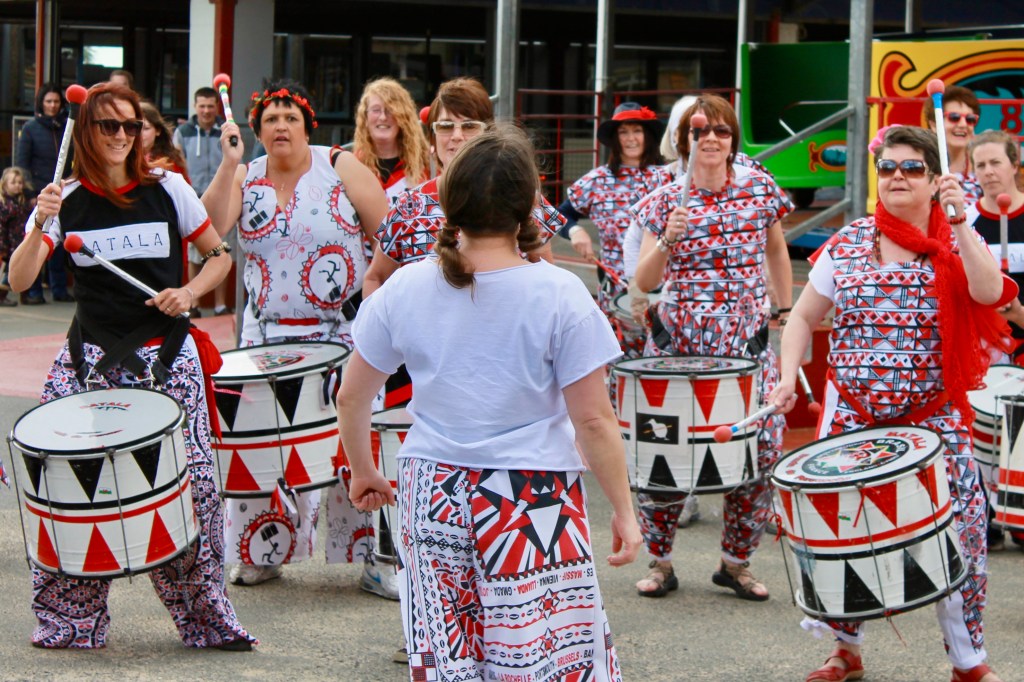
This image captures a performance by Batala, an international samba reggae drumming project.
Batala groups are known for playing high-energy drum music at carnivals and festivals worldwide.
The performers wear distinctive red, white, and black patterned uniforms featuring African-inspired designs.
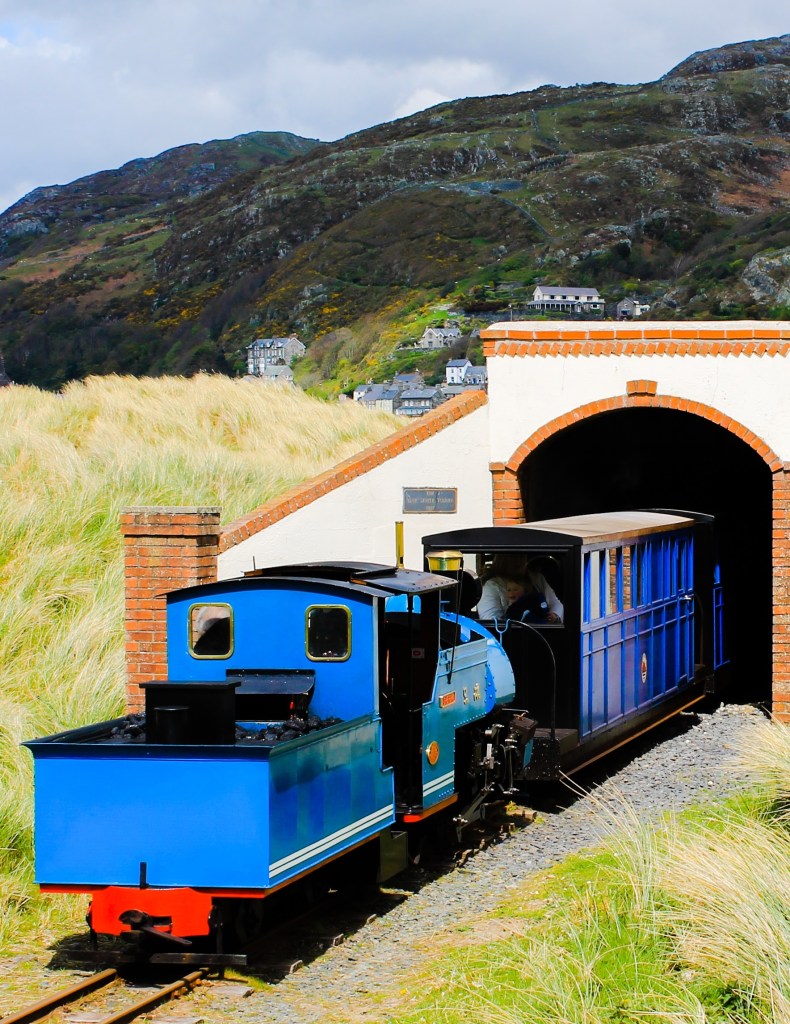
BARMOUTH
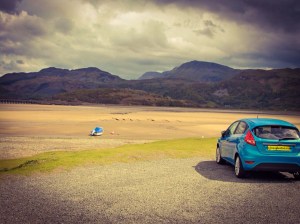
This particular performance took place in the Welsh, seaside resort of Barmouth, in April, 2014. It was a beautiful day as far as the weather was concerned and that meant lots of photo opportunities.
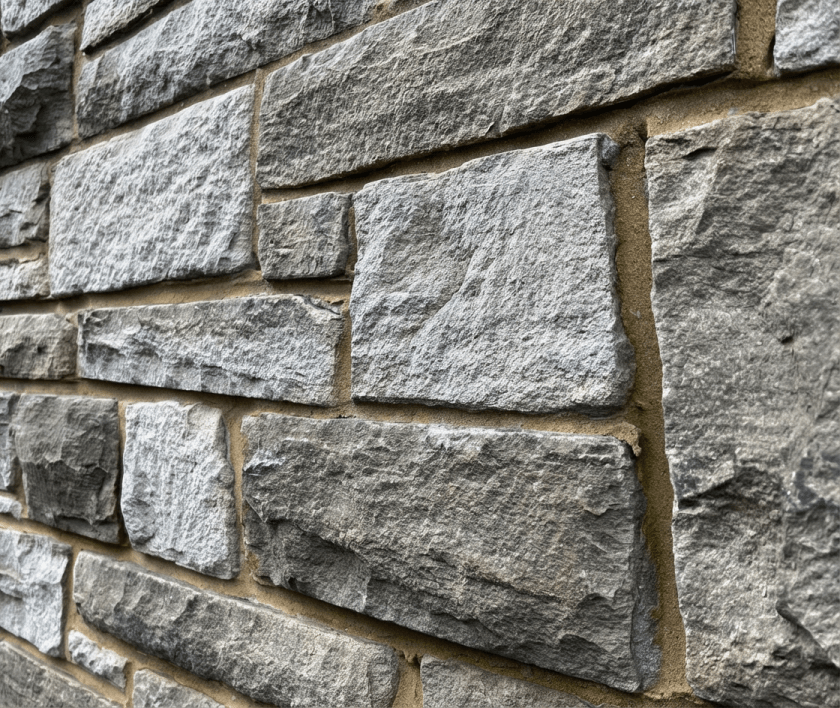
Finding Your Direction in Stone Photography: A Beginner’s Guide
If you’ve ever picked up a camera and pointed it at a rock, you might have quickly wondered: what exactly am I trying to capture here? Unlike landscapes or portraits, stone doesn’t immediately suggest a clear subject or story. That’s precisely what makes it such a rewarding subject—once you find your direction.
This guide will help you move from “just taking pictures of rocks” to developing a purposeful, engaging approach to stone photography.
Why Photograph Stone?
At first glance, stone can seem lifeless and unchanging. But that’s deceptive. Stone holds:
Texture – rough, smooth, cracked, layered
Patterns – natural lines, fractures, repetition
Colour variation – subtle tones often missed by the eye
History – erosion, weathering, and time captured in form
The key is learning what to look for.
Step 1: Choose a Direction
Before worrying about camera settings or gear, decide what interests you about stone. Here are a few strong directions beginners can explore:
1. Texture and Detail
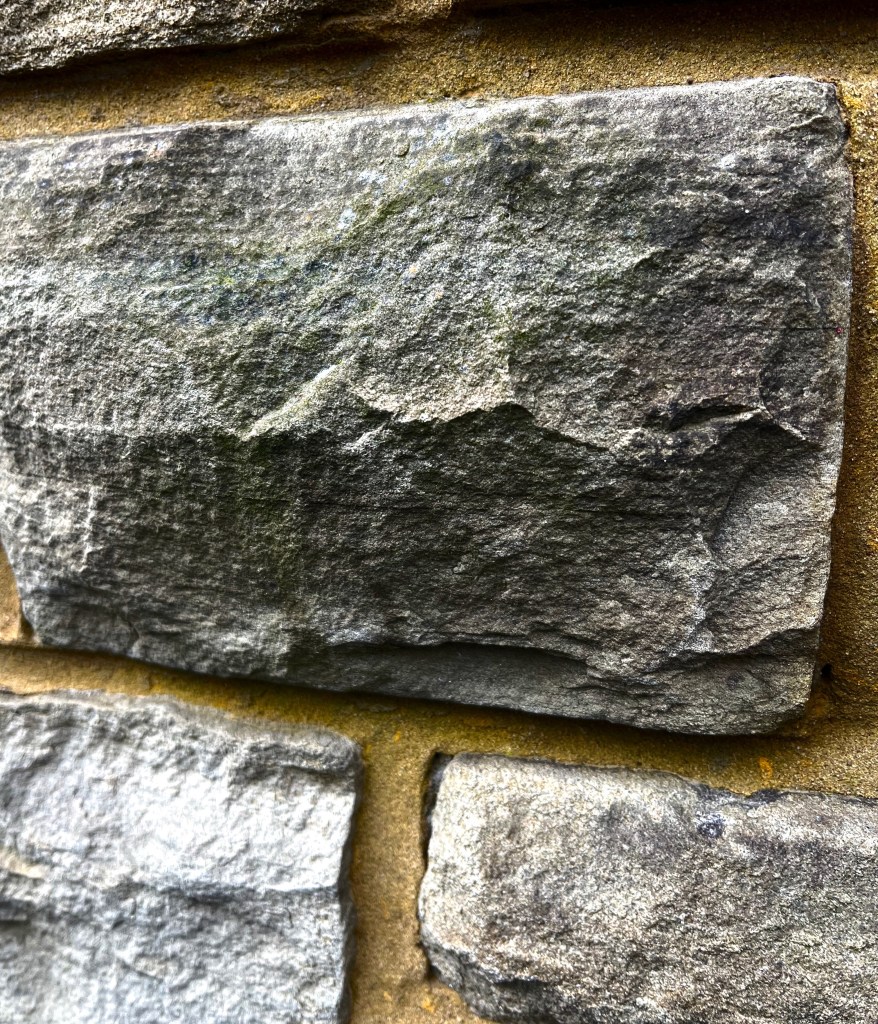
Focus on the surface.
Get close
Fill the frame
Look for contrast between rough and smooth areas
This approach works well if you enjoy abstract images.
2. Patterns and Shapes
Instead of seeing “a rock,” look for:
Lines
Repeating formations
Geometric shapes
You’re essentially turning stone into natural design.
3. Contrast and Light
Stone reacts beautifully to light.
Early morning or late afternoon gives depth
Side lighting enhances texture
Shadows create drama
Try photographing the same stone at different times of day—you’ll get completely different results.
4. Context and Environment
Rather than isolating the stone, show where it belongs:
A rock on a beach
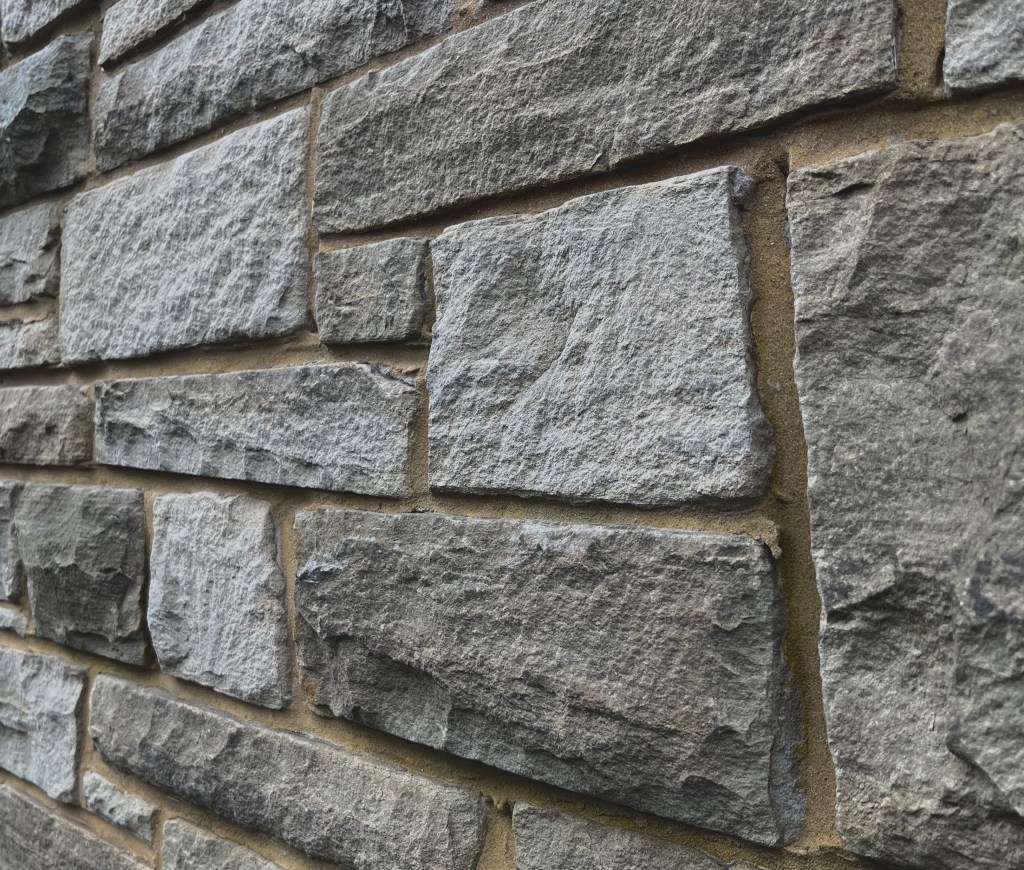
A weathered wall
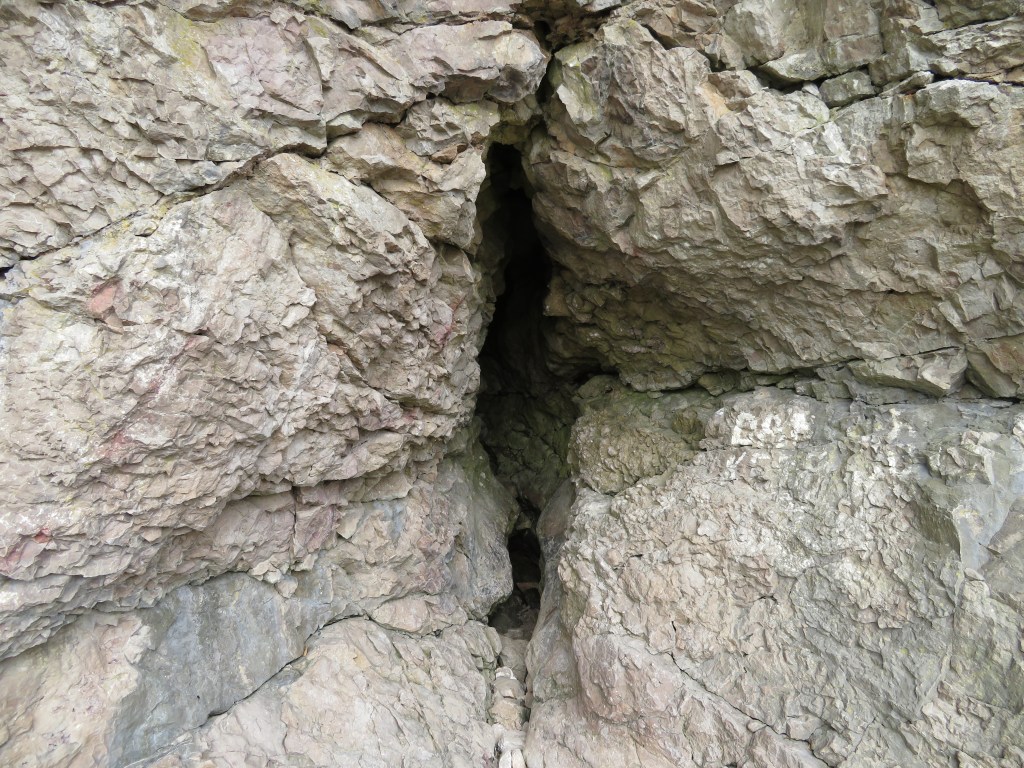
Cliff faces or dry stone structures
This tells more of a story and gives your image meaning.
Step 2: Slow Down Your Seeing
One of the biggest shifts in photographing stone is learning to slow down.
Instead of scanning for obvious subjects:
Walk slowly
Stop often
Look closer than feels natural
A stone that looks uninteresting from standing height can become fascinating when viewed up close or from a lower angle.
Step 3: Work With Simple Techniques
You don’t need complex gear to start. Focus on:
Stability – keep your camera steady for sharp detail
Focus – make sure the key texture or feature is crisp
Composition – avoid clutter; keep the frame intentional
Even a basic setup can produce excellent results if you’re deliberate.
Step 4: Experiment Without Pressure
Stone photography is ideal for experimentation because:
Nothing moves
You can take your time
You can revisit the same subject repeatedly
Try:
Different angles
Changing distance
Shooting in different lighting conditions
Each variation teaches you something.
Step 5: Develop Your Eye Over Time
At the beginning, everything might look the same. That’s normal.
With practice, you’ll start to notice:
Subtle textures others miss
Interesting fractures or lines
Unique colour variations
This is where your personal style begins to form.
A Simple Starting Exercise
Next time you’re out:
Pick a single stone
Take 5–10 photos of it from different angles
Focus on one theme (texture, pattern, or light)
This builds awareness quickly and gives you a clear sense of direction.
Final Thought
Photographing stone isn’t about the subject being dramatic—it’s about how you see it. Once you train your eye to notice detail, light, and form, even the most ordinary rock can become something worth capturing.
Start simple, stay curious, and let your direction develop naturally.
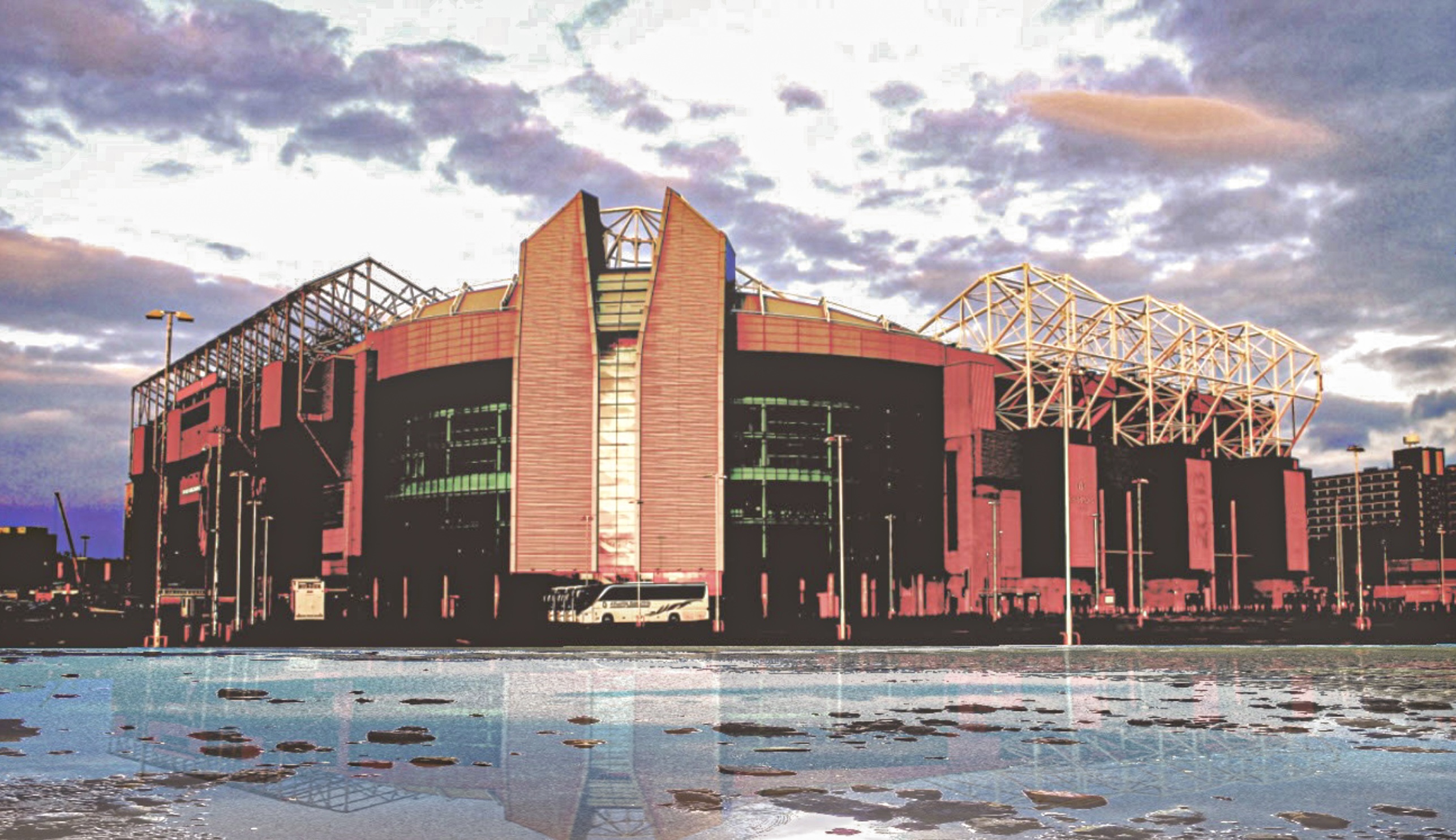
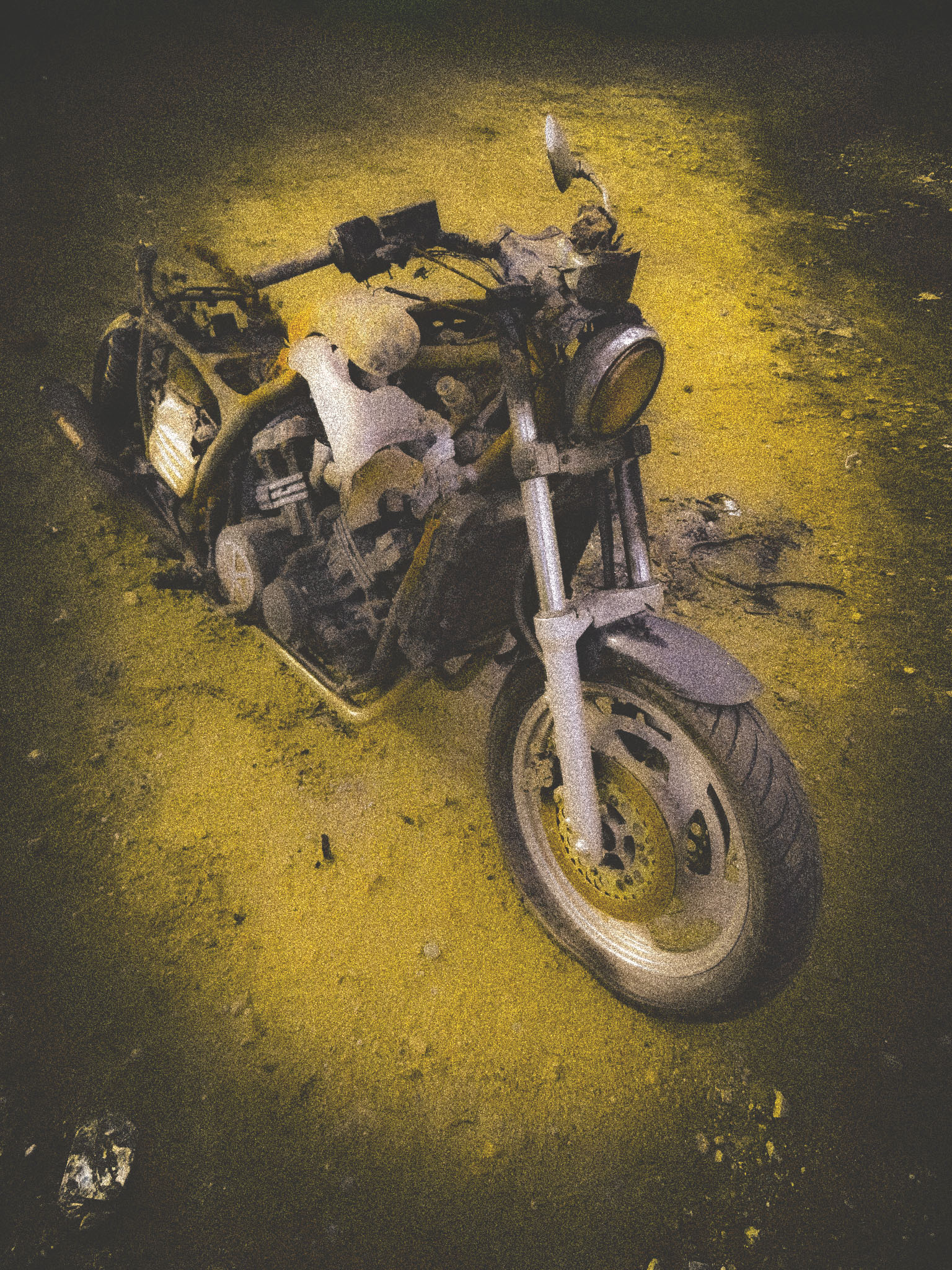
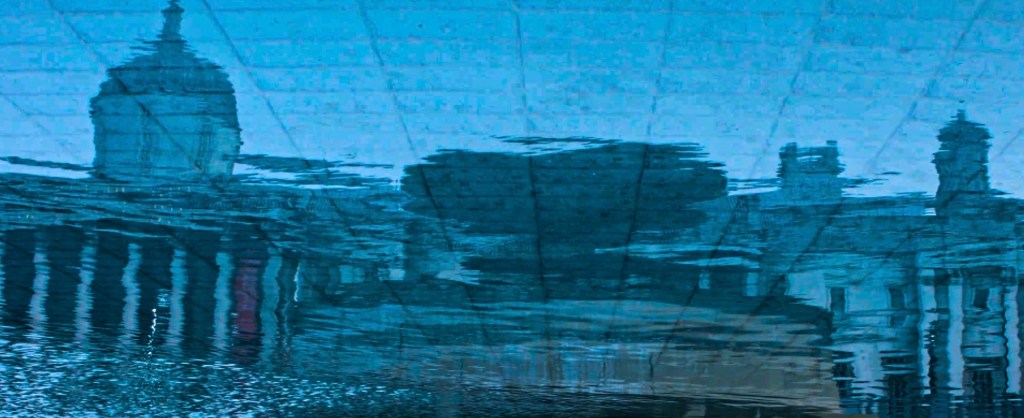
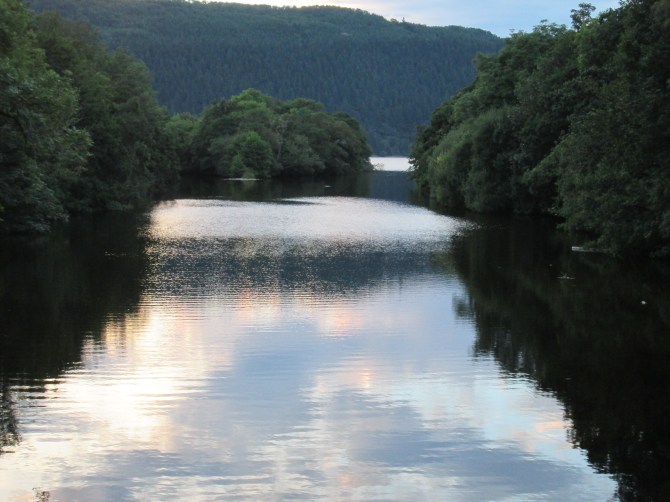
Choosing a particular subject to focus on can help you to develop your understanding of editing tools. Just play around with your photos to explore different effects.
An example of the way editing can expand on the structure of your subjects.
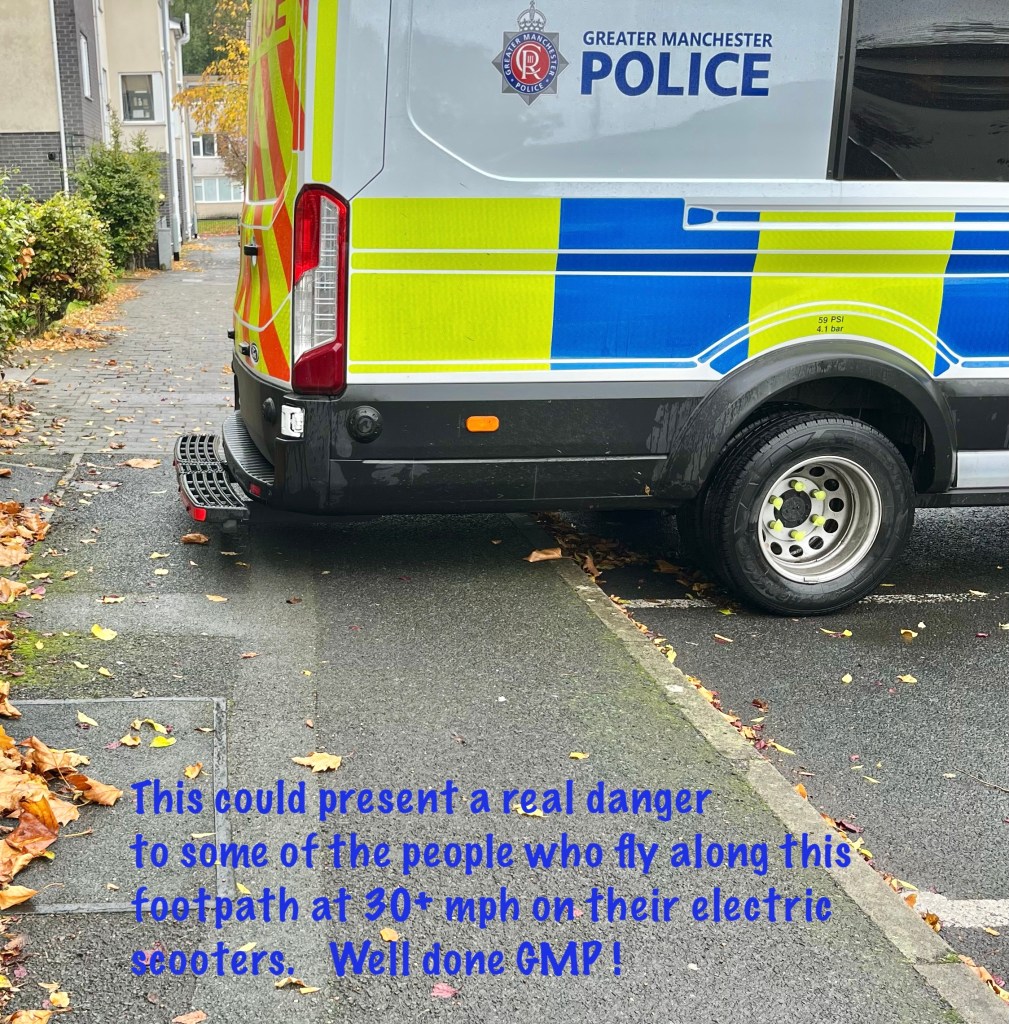
At first sight, the way this vehicle is parked might be dismissed as officers attending an urgent call. The nearby community office and the fact that the vehicle was parked there for several hours suggests otherwise.
The next reaction could be to assume it was yet another example of the thoughtlessness and inconsideration for pedestrians that we see from drivers who just dump their cars or vans across Greater Manchester footpaths.
On further reflection however, one might wonder if this was actually a bold attempt to boost pedestrian safety.
Reducing the dangers to the public caused by people who ride electric scooters and bicycles at high speed along footpaths can’t be easy. It’s difficult for police to identify offenders as the cycle or scooter has no number plate. Identifying the rider from cctv must be almost impossible if their faces are blurred by the high speed. To make things even worse, possibly because of the freezing Manchester weather, the riders are often wearing a balaclava.
If this is an attempt to slow down these electric scooters and bicycles, that can make exiting your front gate a frightening experience, then bravo.
In seriousness though, if you must ride your scooter or bike on a footpath, please consider the dangers to small children or animals who have little or no awareness of the dangers.

































 Mojoesphotos.com